
CASE
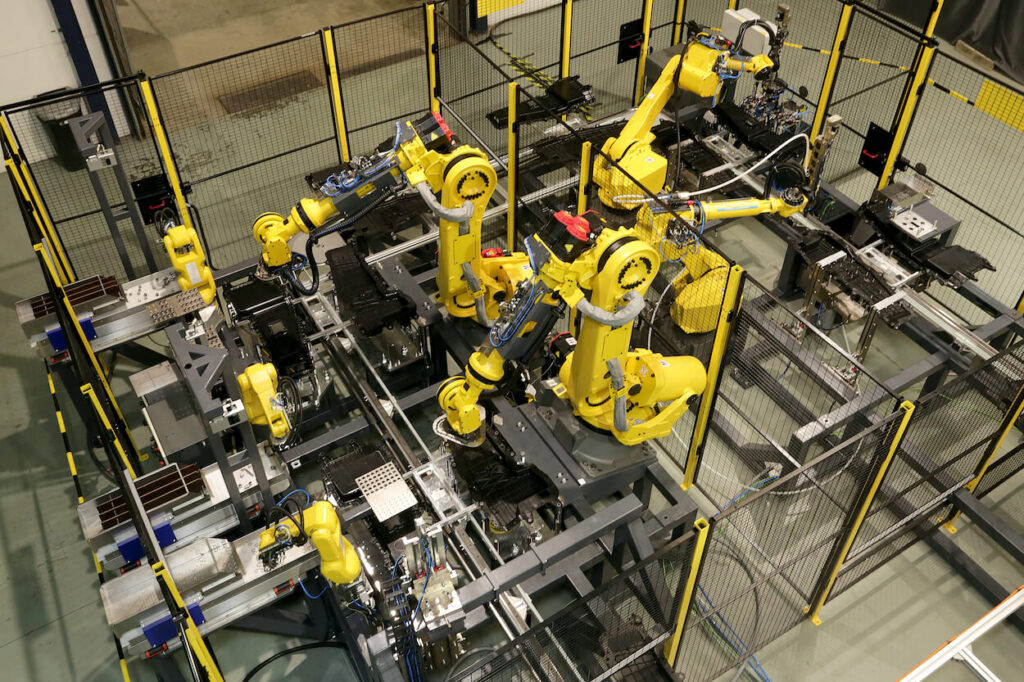
AN AUTOMATED “DARK ROOM” MACHINE


CHALLENGE
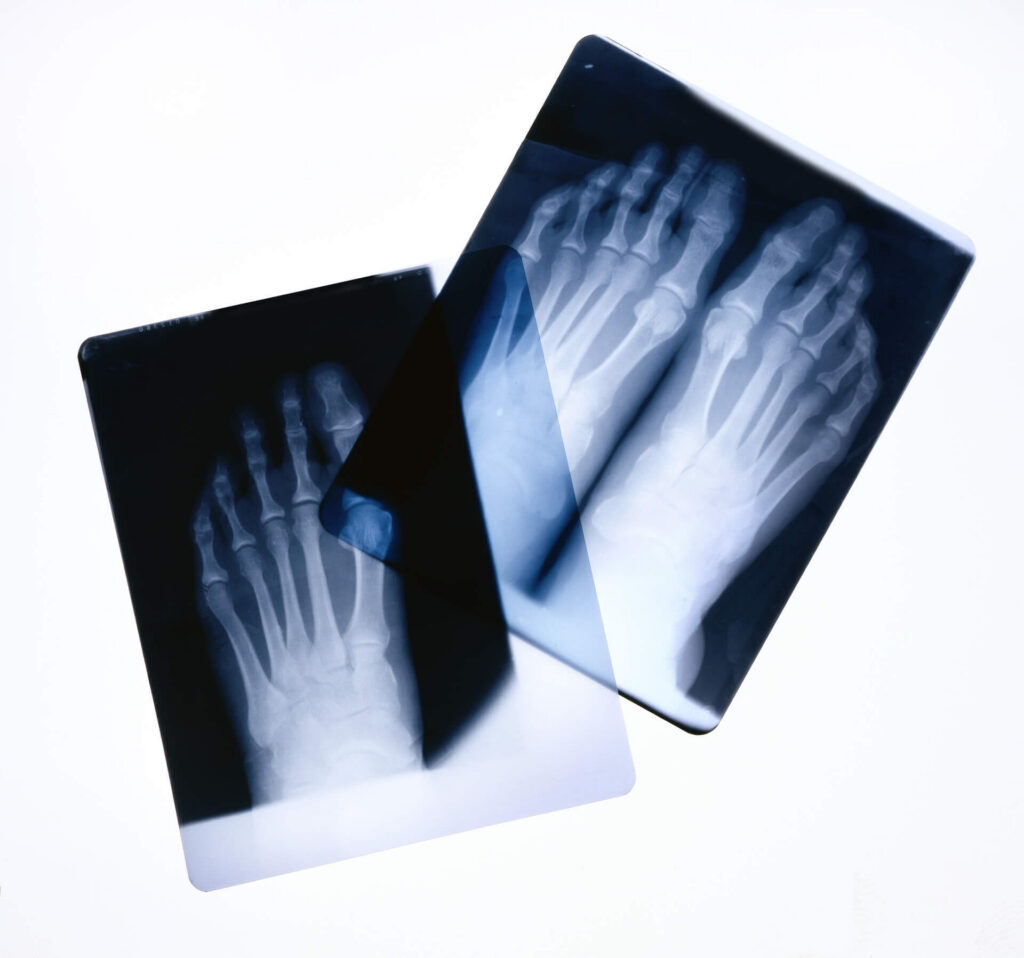
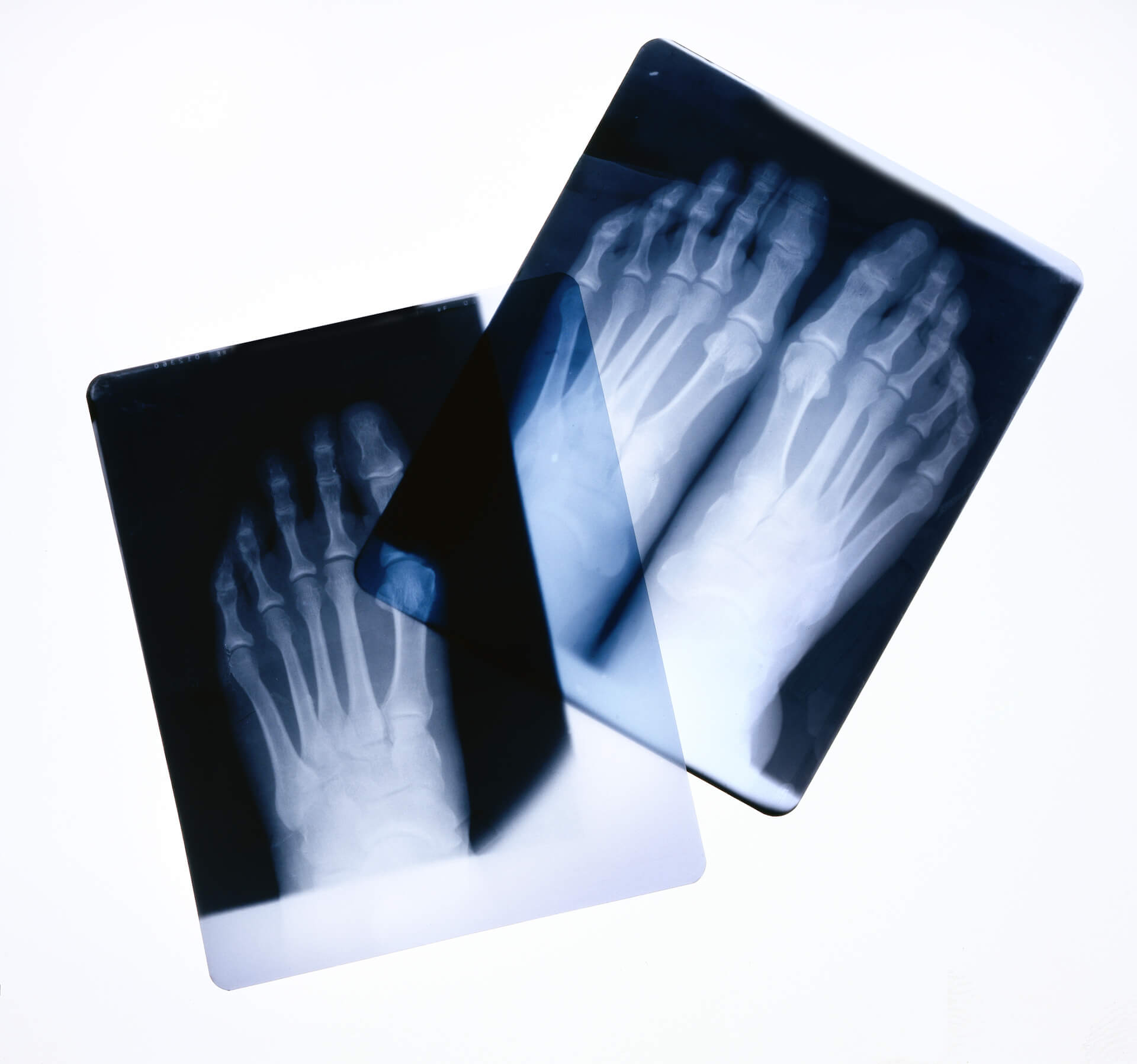
How do you turn light-sensitive film on a roll into sturdy packs of easy-to-handle sheets? Until now, packaging the film sheets was purely manual labor. Because the film is very sensitive to fogging—caused by both pressure and overexposure—you can’t simply grab the stack firmly to align it neatly. As a result, it’s no easy task to manually place them into the special aluminum pouch without causing dog-ears or puncturing the packaging.
The customer was also looking for a solution to efficiently process different formats. In addition, the process must be dust-free and carried out in the dark. This is because light-sensitive film that has been exposed to light can no longer be used. There’s no shortage of challenges!
SOLUTION
By automating the packaging process, we have succeeded in developing a solution for each of the challenges mentioned above.
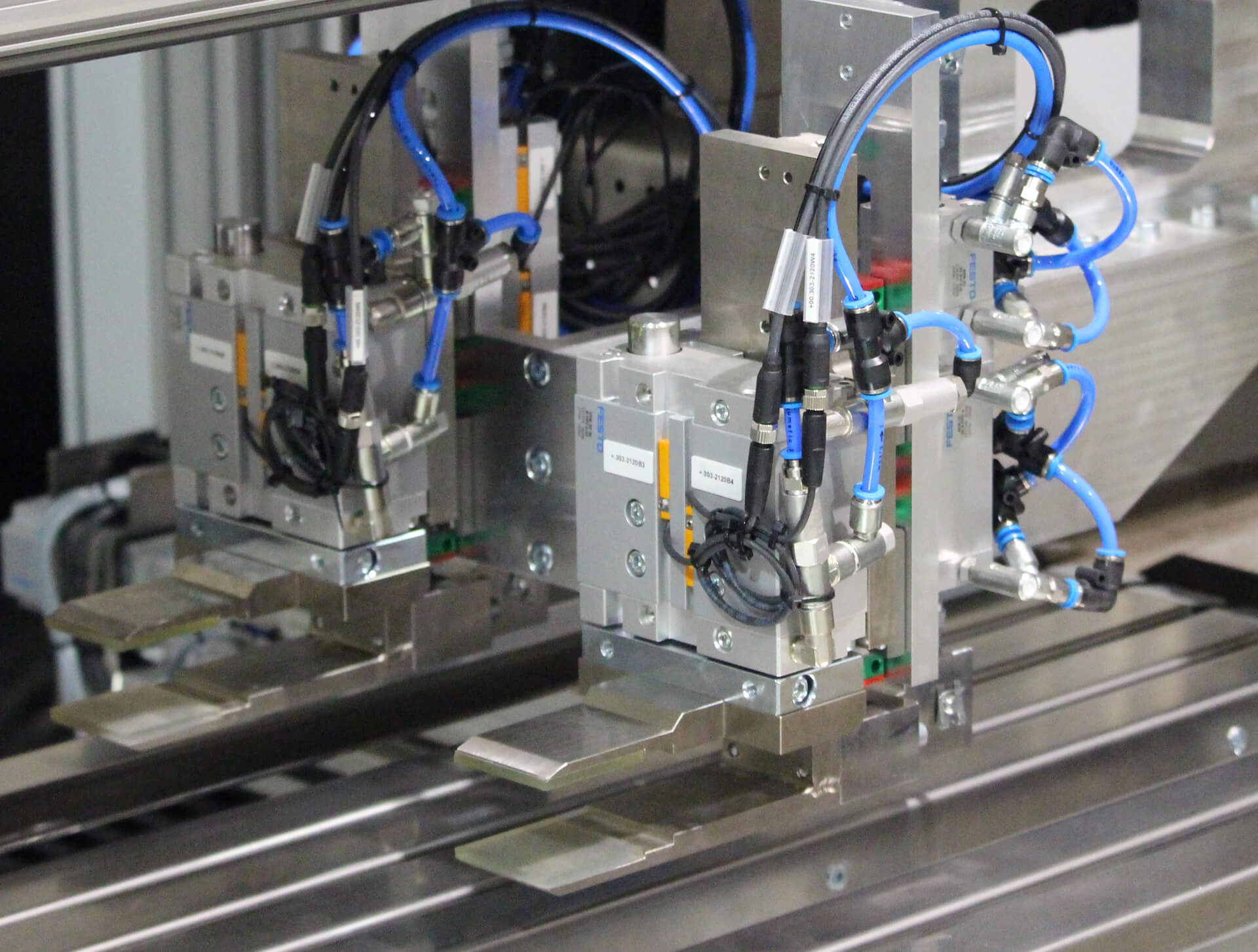
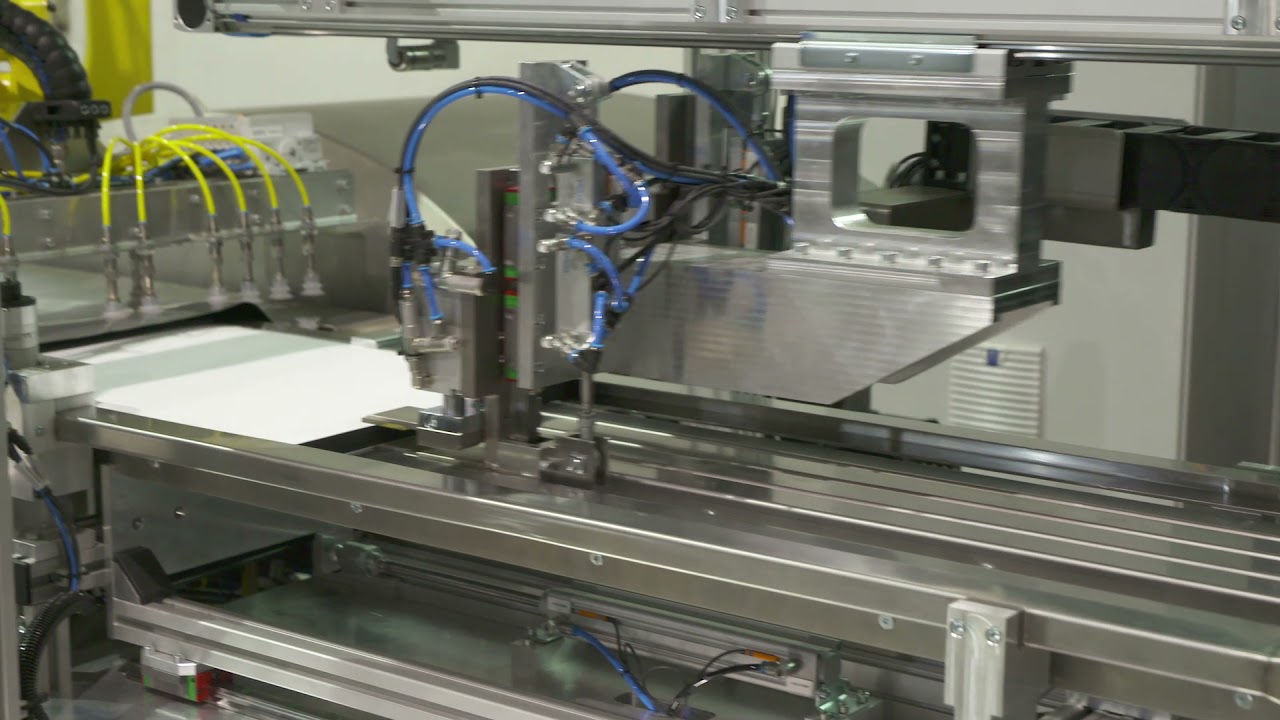
The film on the roll is cut by machine into the desired sizes and stacked. This is followed by the packaging process, which IMA has fully automated. In the video, you can see how the stacks of film are brought together and perfectly aligned. The pressure is adjusted so that no creases form. The sheets also do not slip out of place, as can happen during manual handling.
Normally, detection is done using a light signal, but in this case, the light would damage the light-sensitive film. That is why we use the “dark room” principle with special LED-free sensors. This means the operator has minimal visibility, but can still monitor the process on the screen and via night-vision cameras.
Not only light, but also dust can cause quality issues during the vacuum-sealing process. That is why the machine is set up in a dust-free room, and we have ensured that no dust is released during any of the machine’s movements that could adhere to the film.
The stack is then placed into a flexible aluminum bag with a special coating, vacuum-sealed, and heat-sealed. This is done with such precision that there is no risk of punctures or crooked stacks. A robot places each package onto a conveyor belt for further packaging into boxes.
ADDED VALUE
The automation process eliminates all the risks commonly associated with manual packaging of light-sensitive film. Creases, dog-ears, fogging, crooked stacks, punctured packaging, and more are a thing of the past. The process has a higher output, and the packages of this valuable film are of better quality. This represents significant added value for a medical product that is vital to life!
CASES
OVERVIEW OF OUR CASES